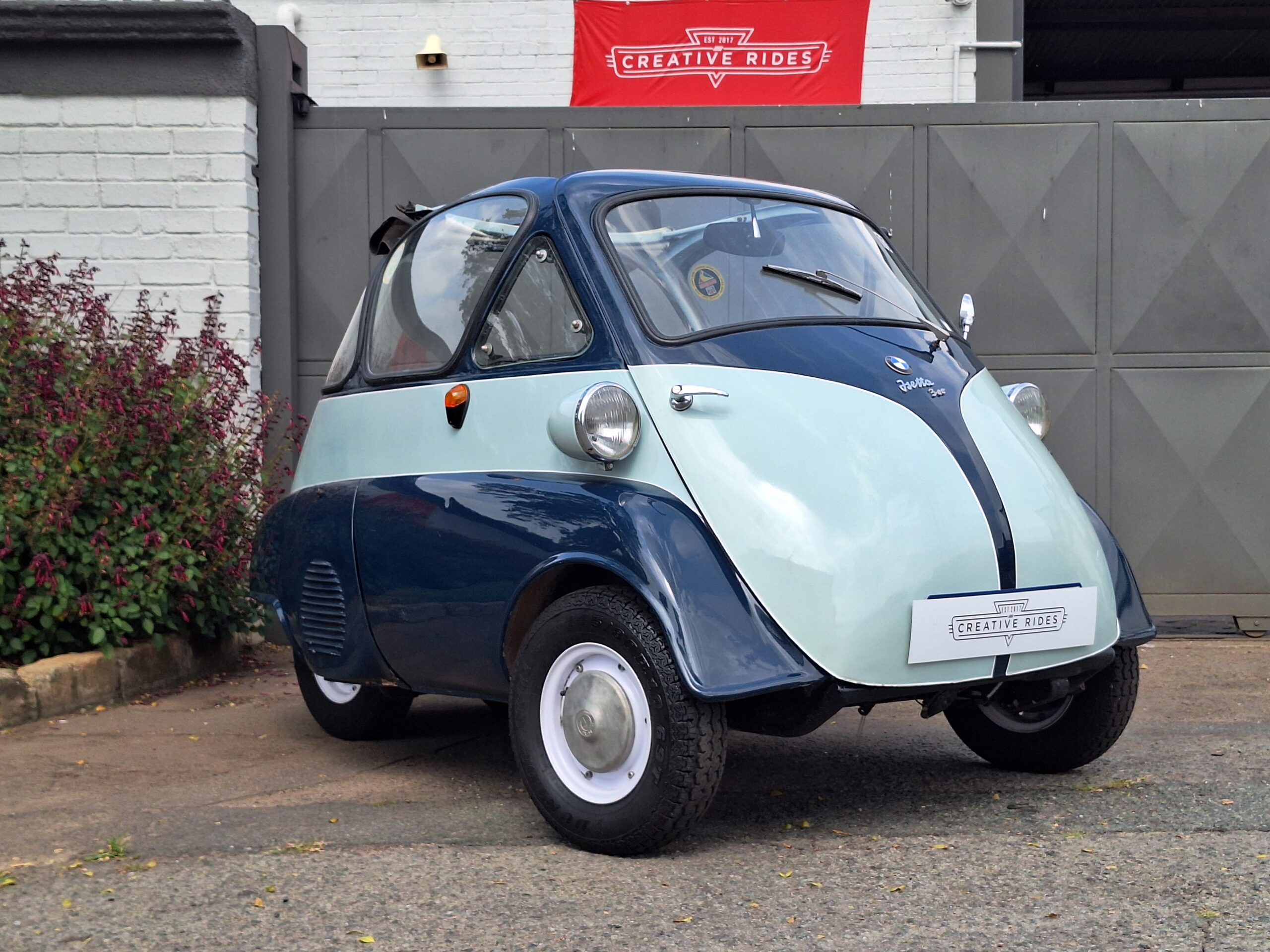
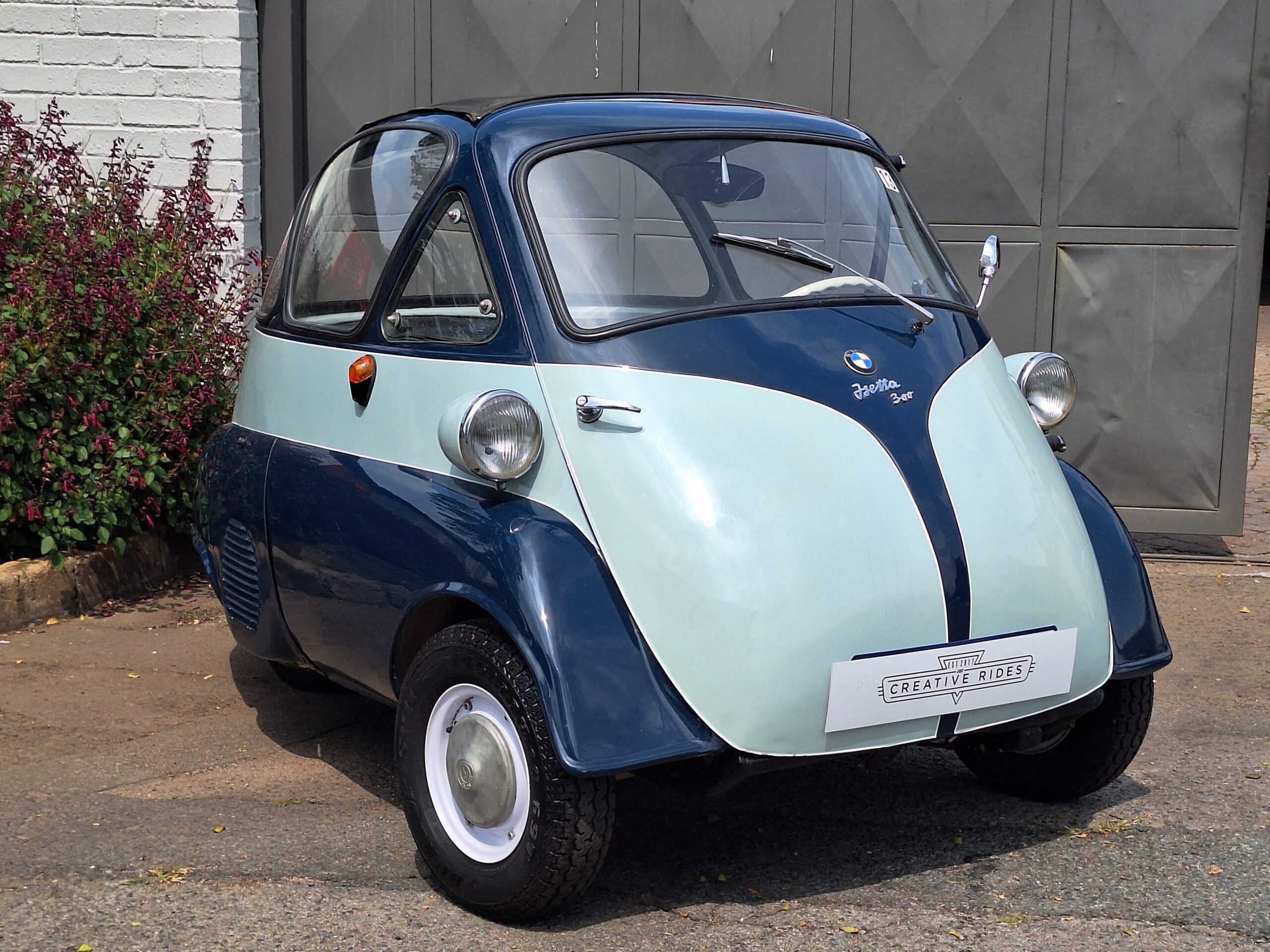
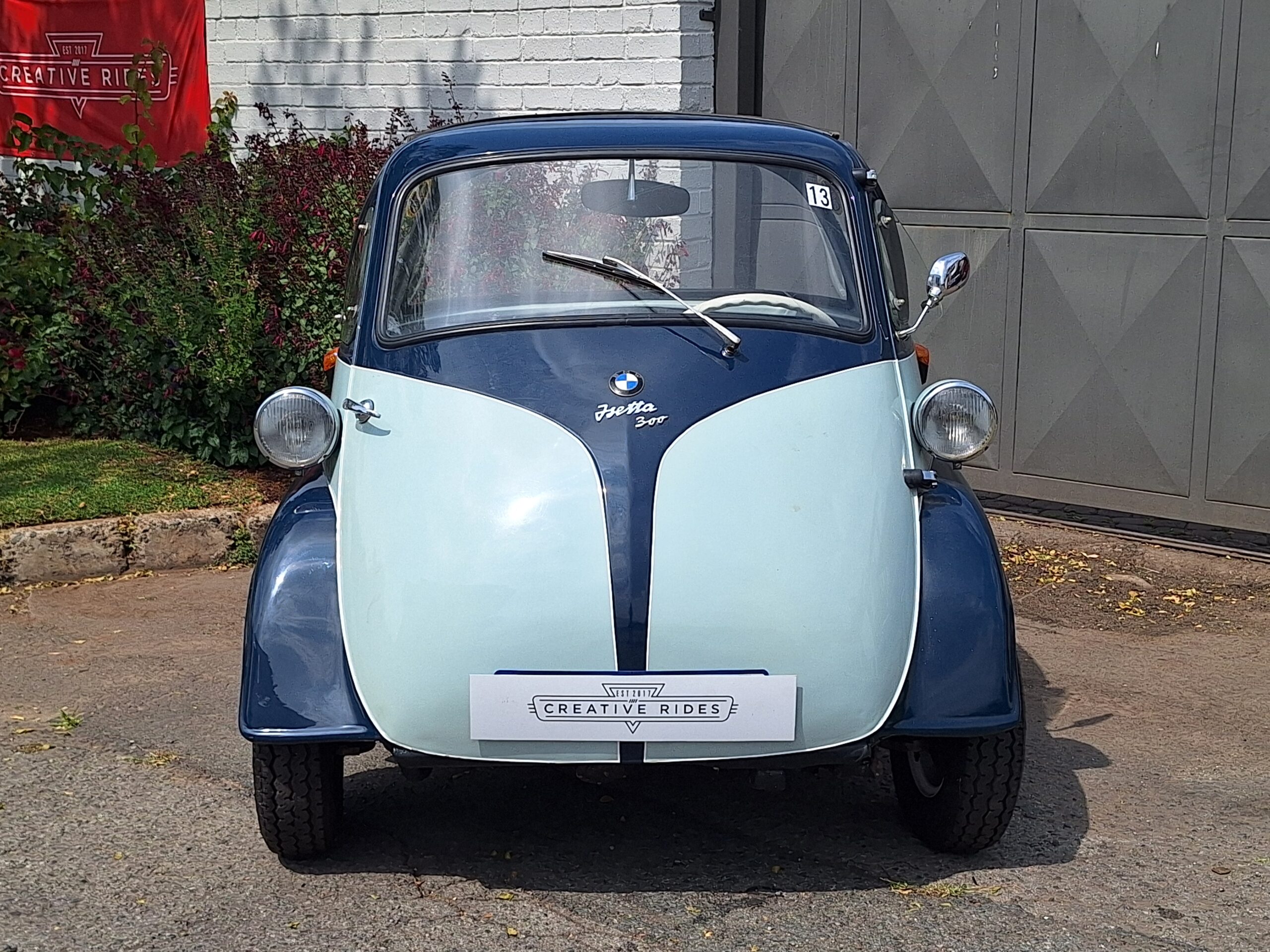
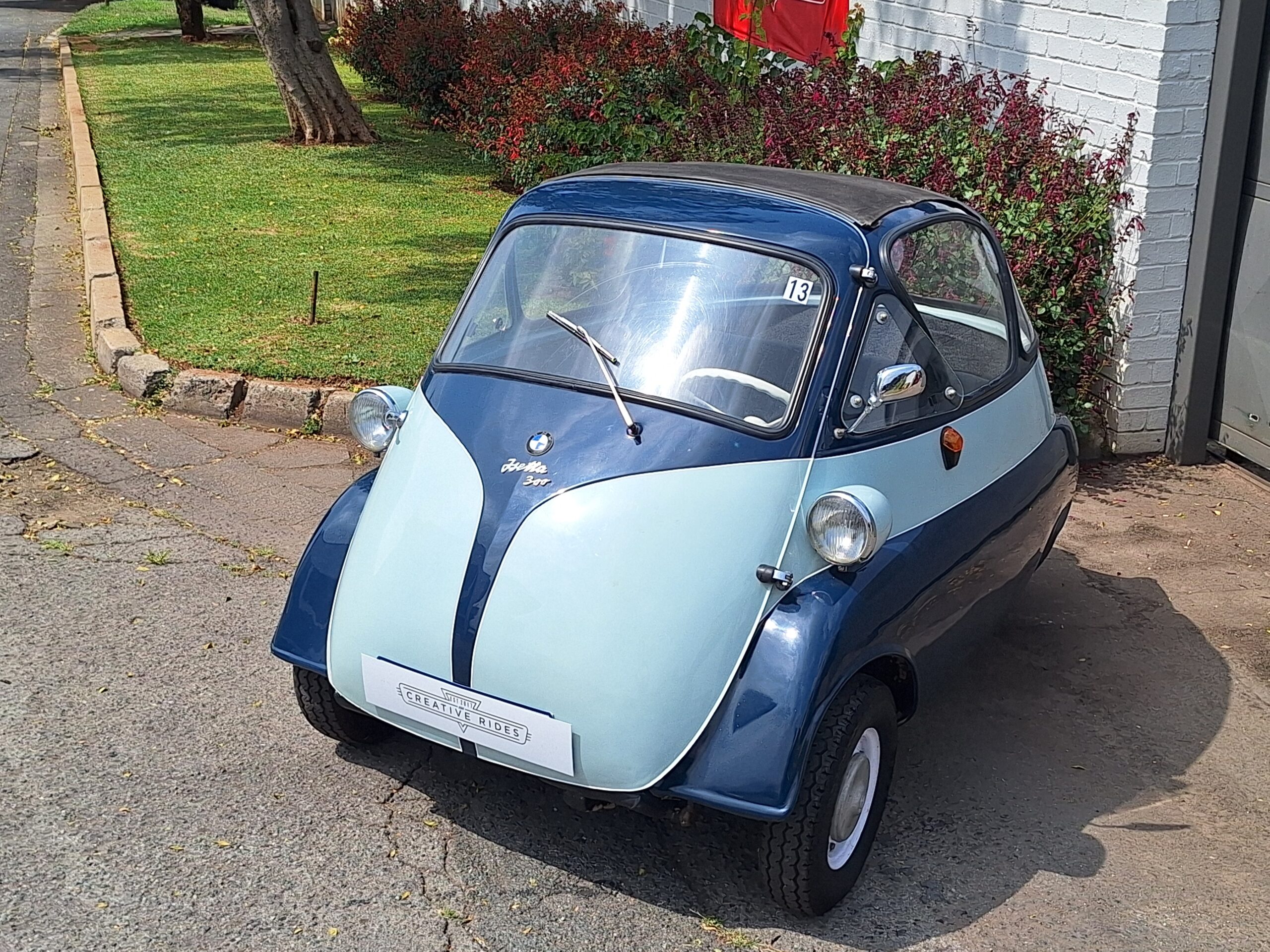
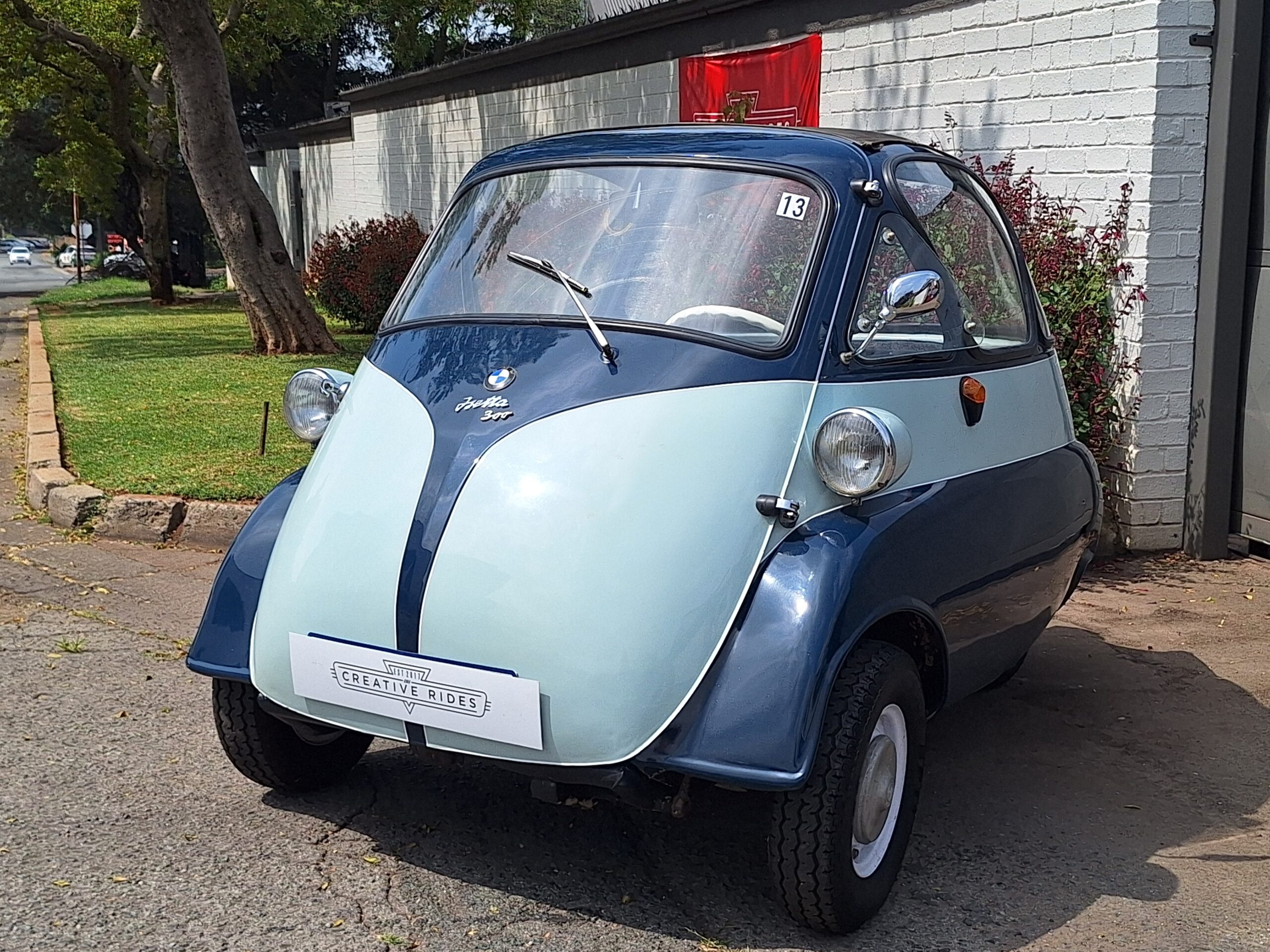
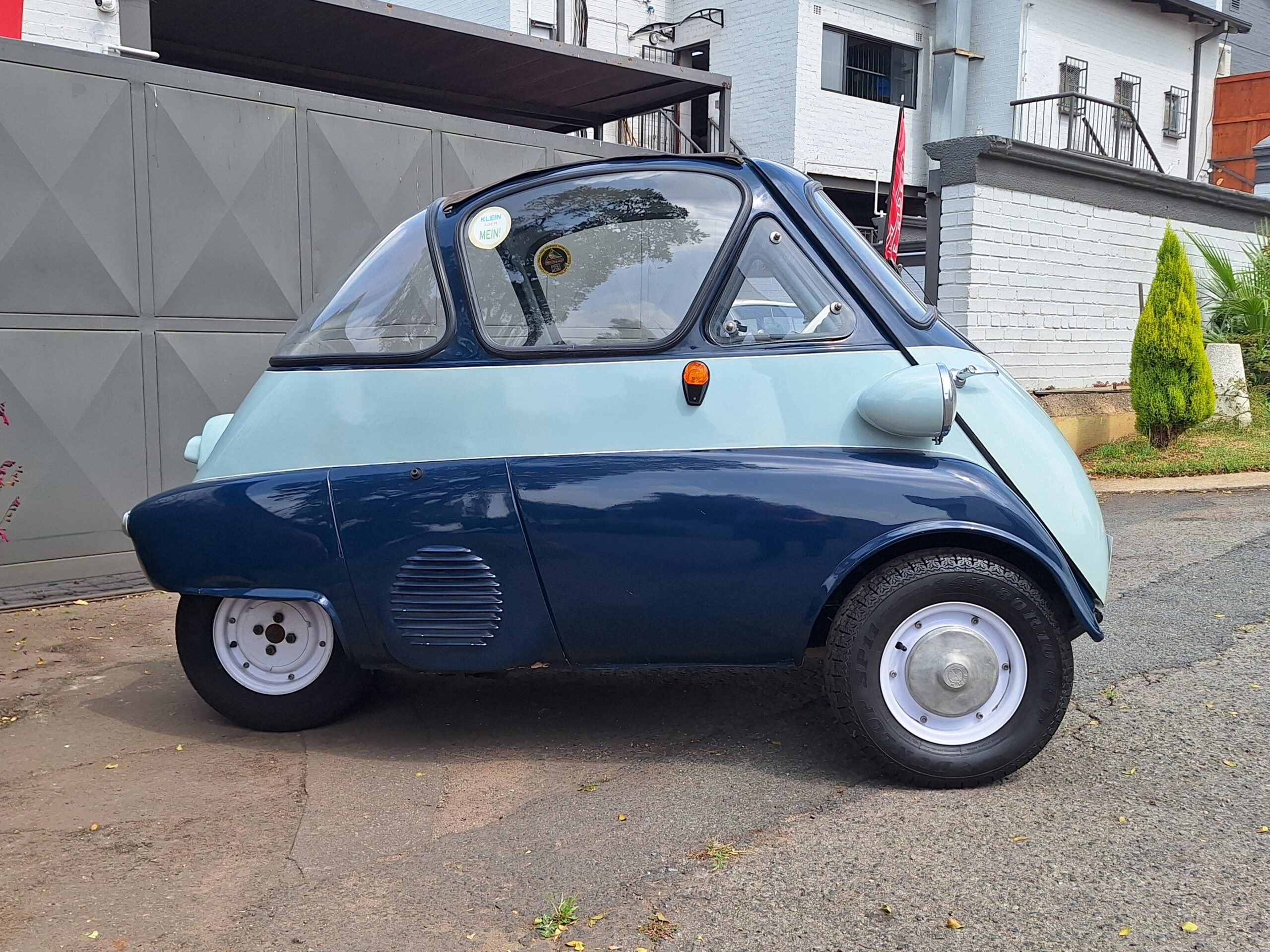
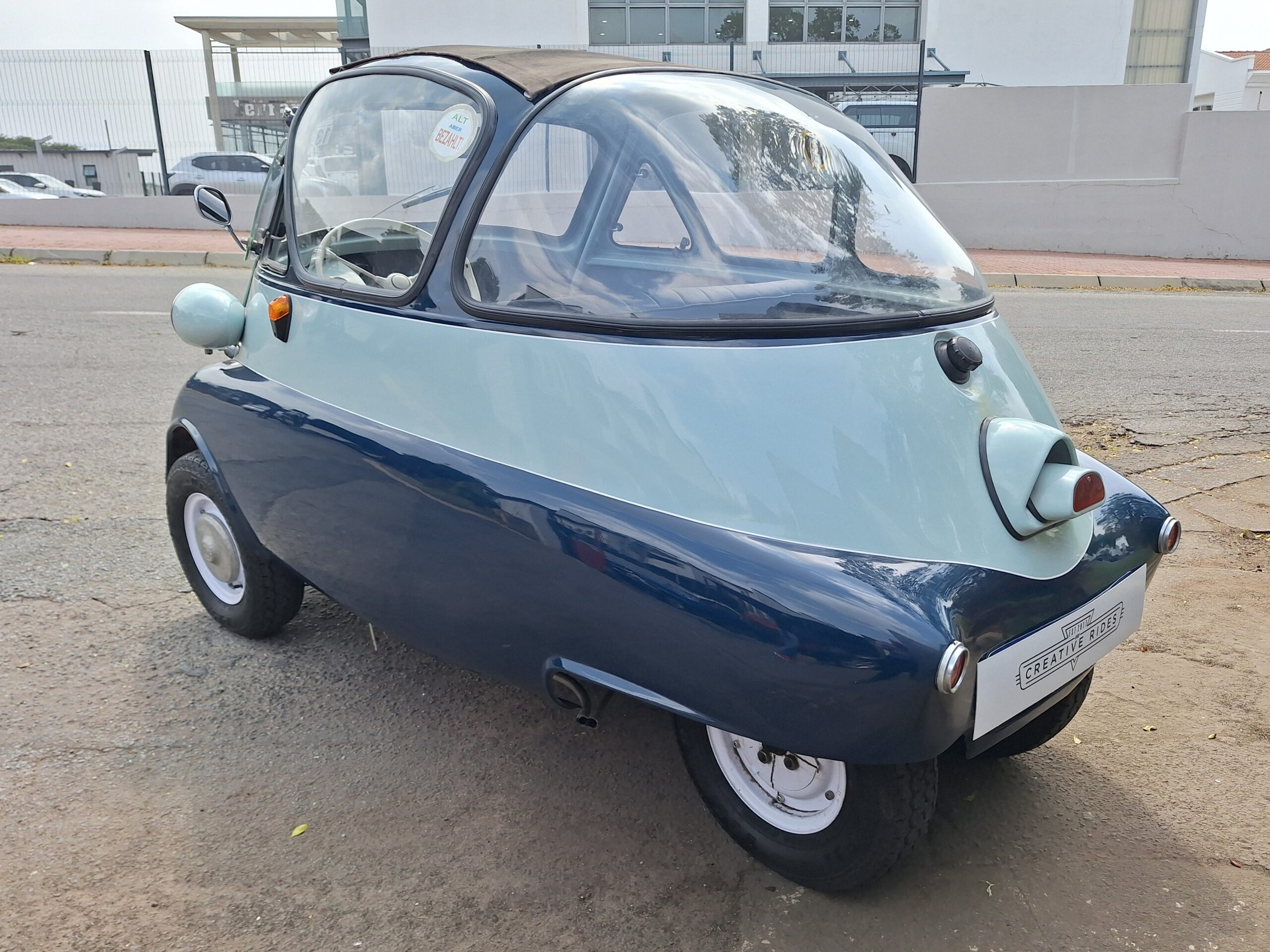
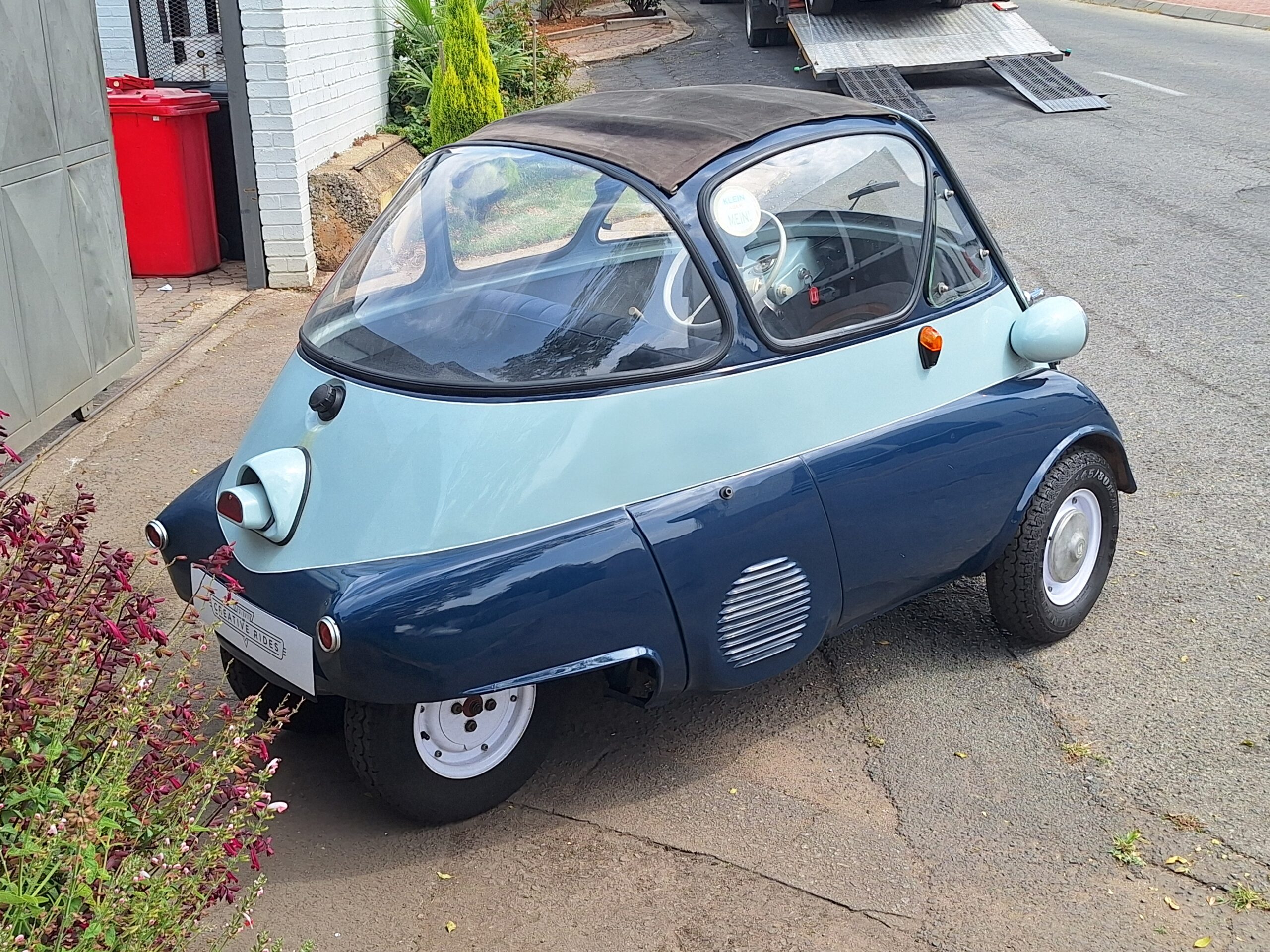
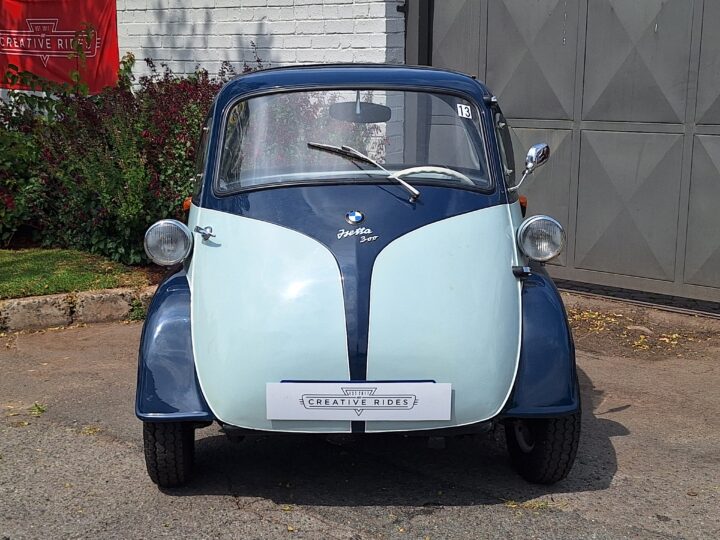
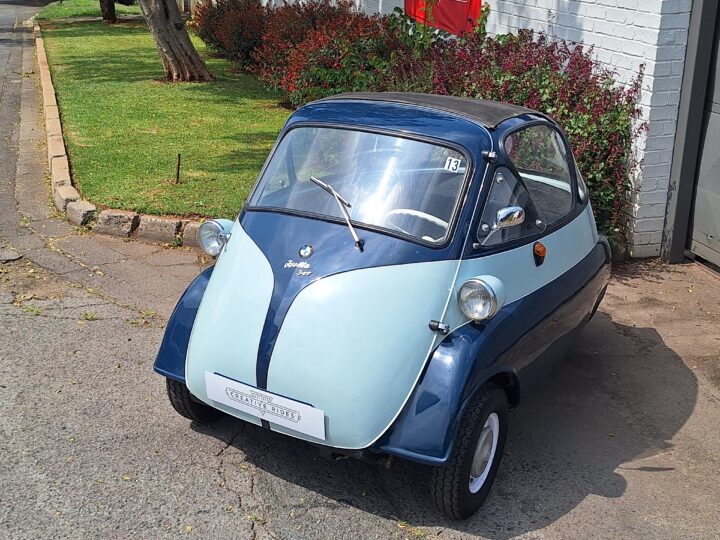
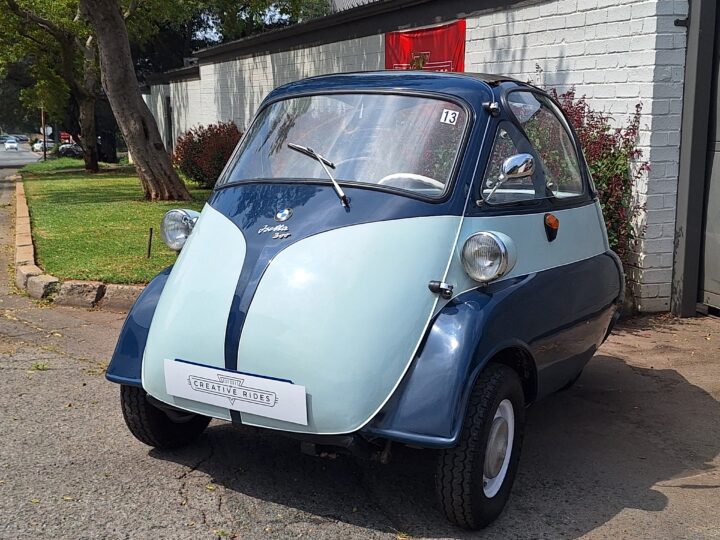
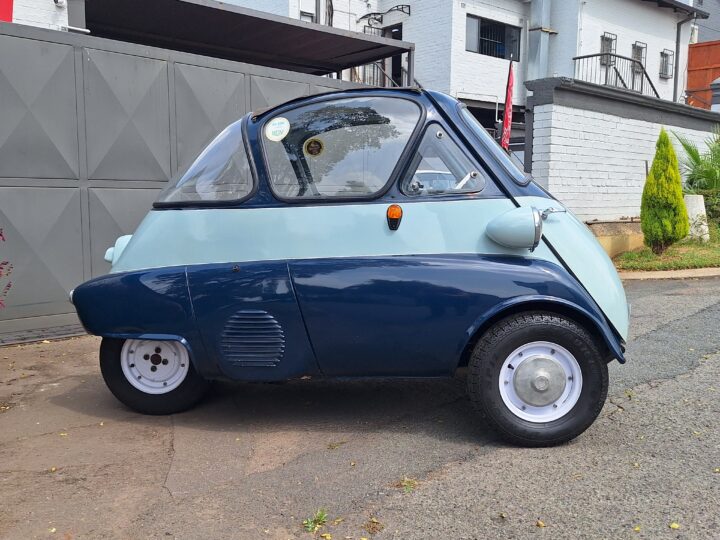
BMW Isetta – The Original Bubble Car Icon
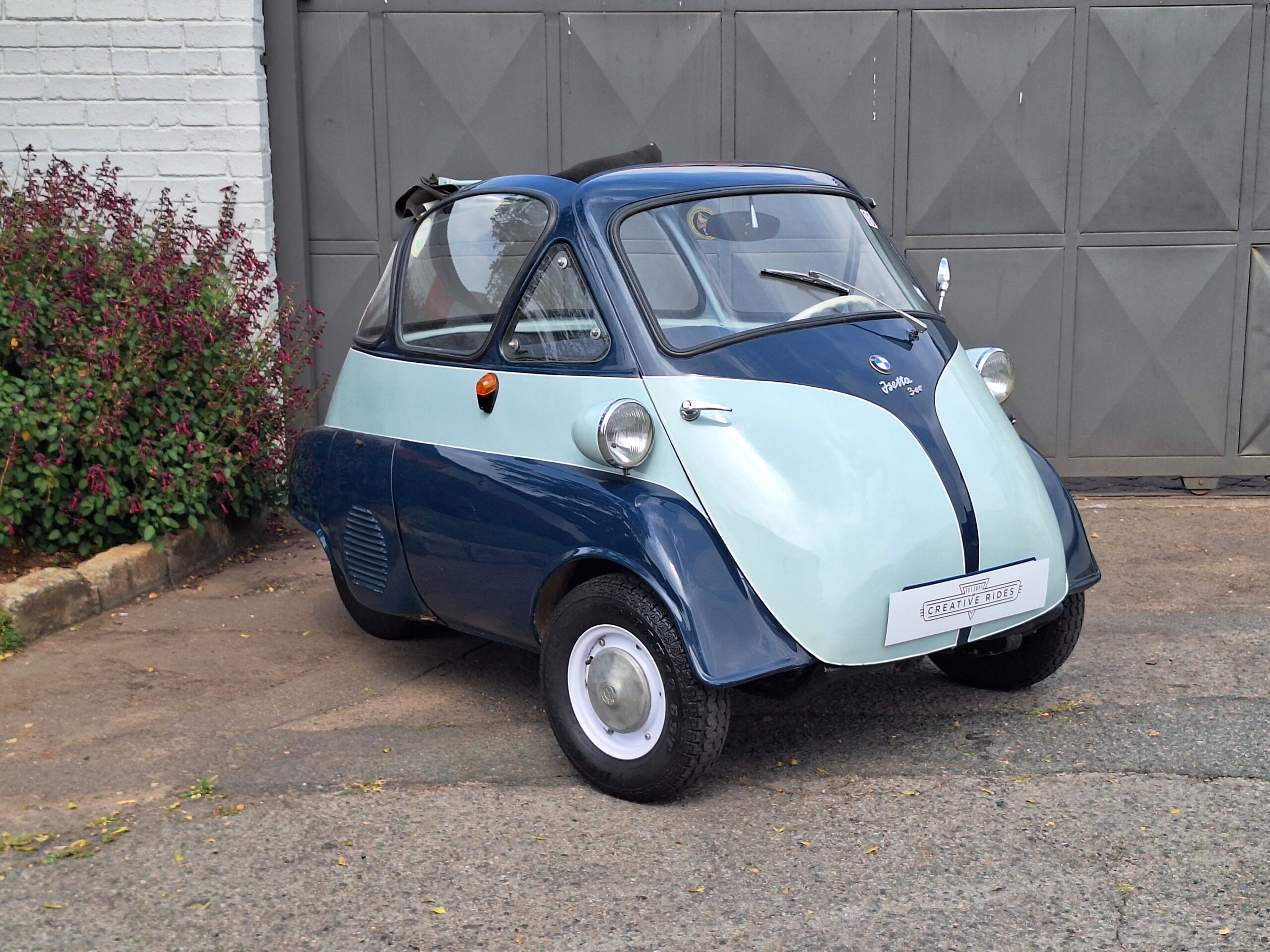
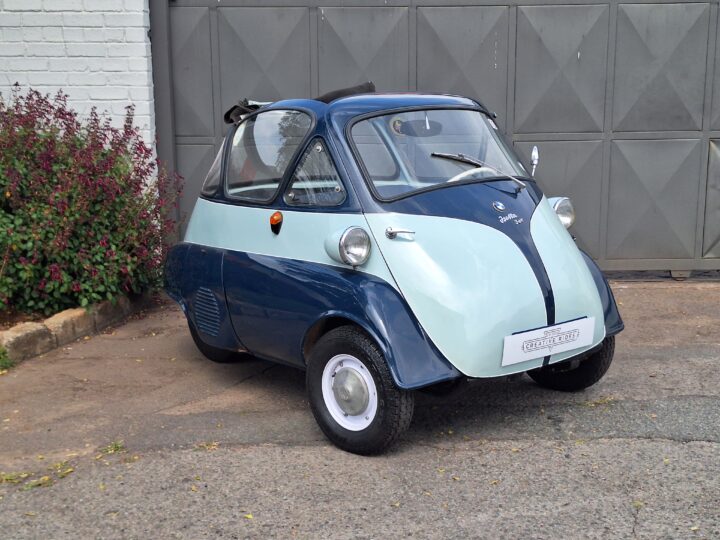
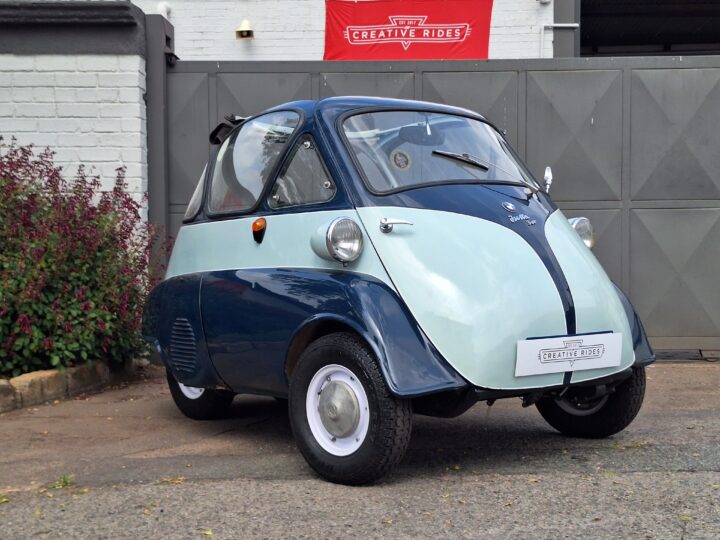
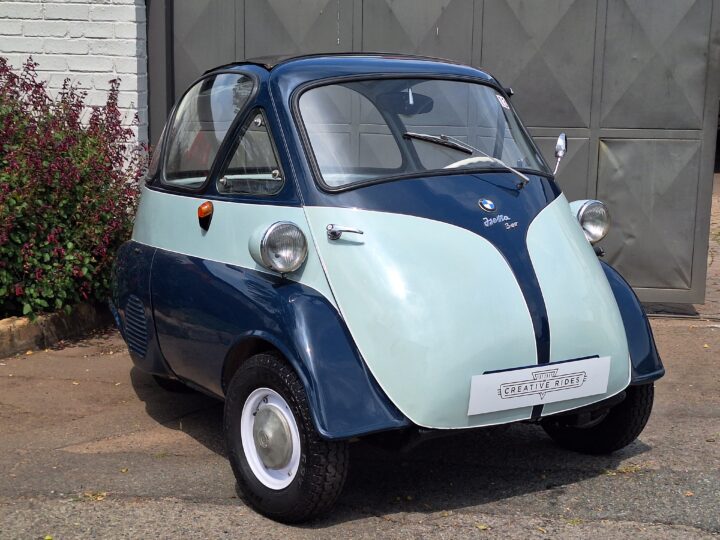
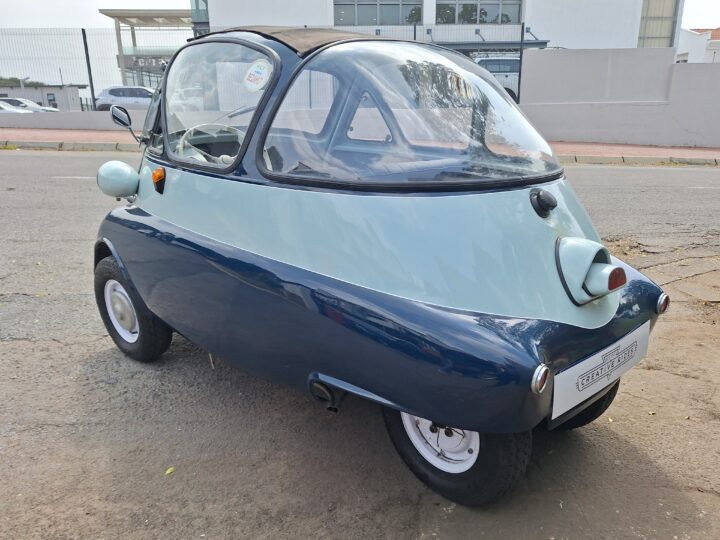
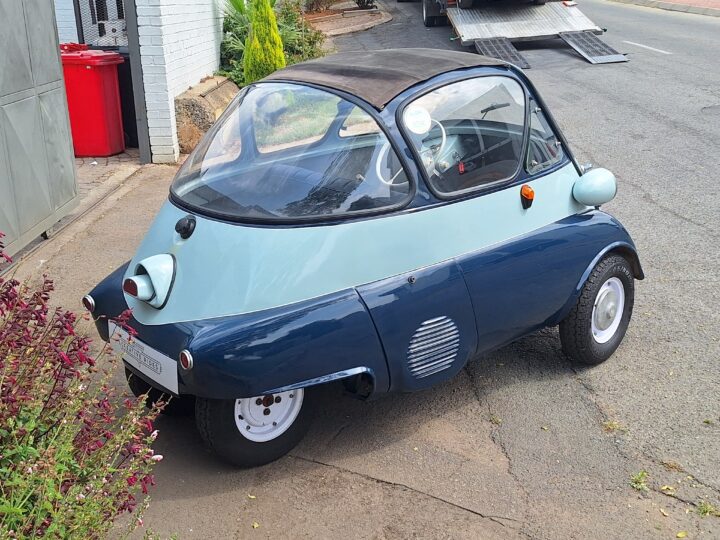
Few classics deliver charm per cubic centimetre like the Isetta. Originally an Italian-designed microcar developed by Iso SpA in 1953, the Isetta was later built under licence in multiple countries, becoming a true post-war mobility icon. With its distinctive egg-shaped body and bubble-like windows, it earned the nickname “bubble car” — a term that still fits perfectly today.
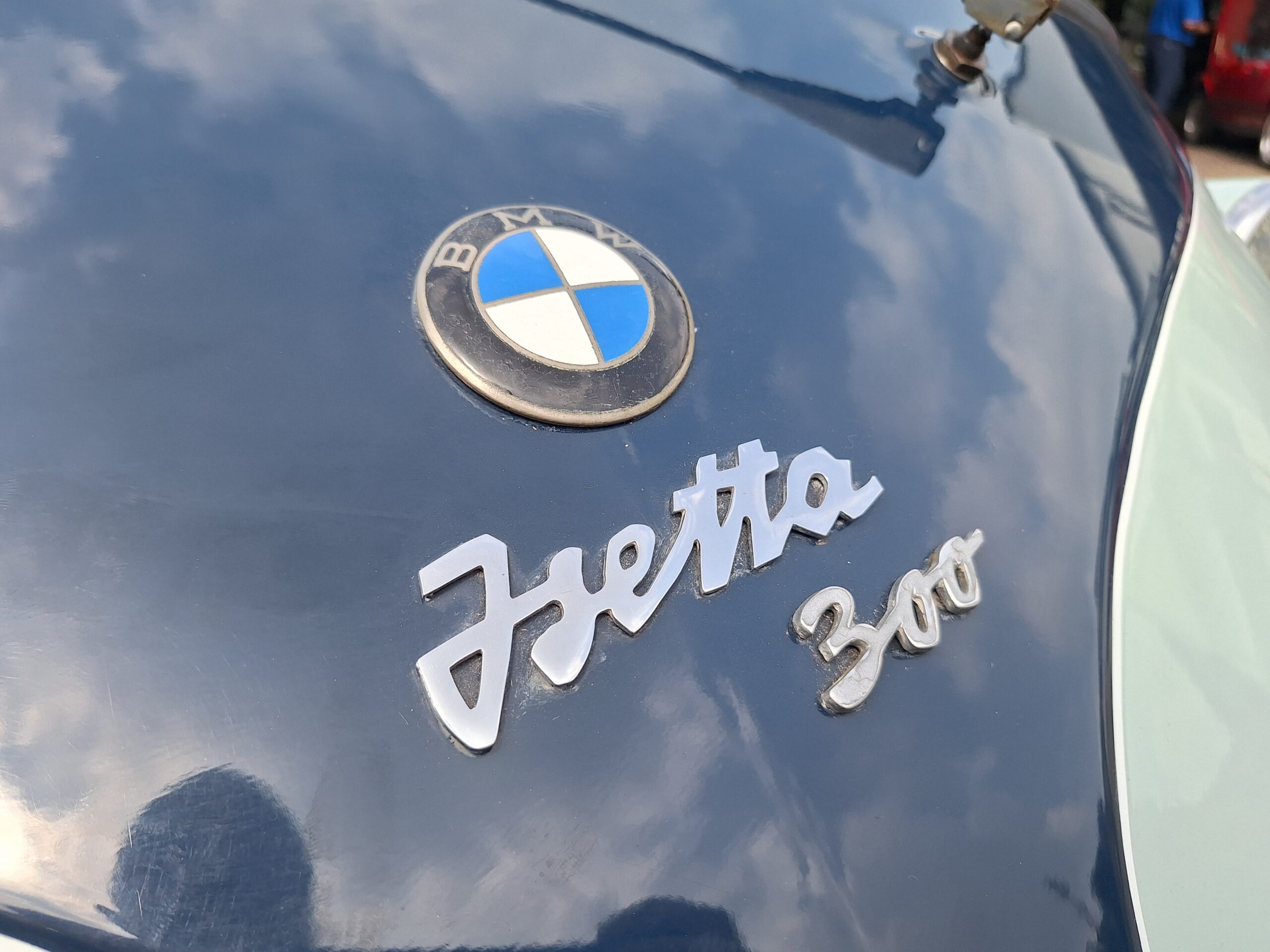
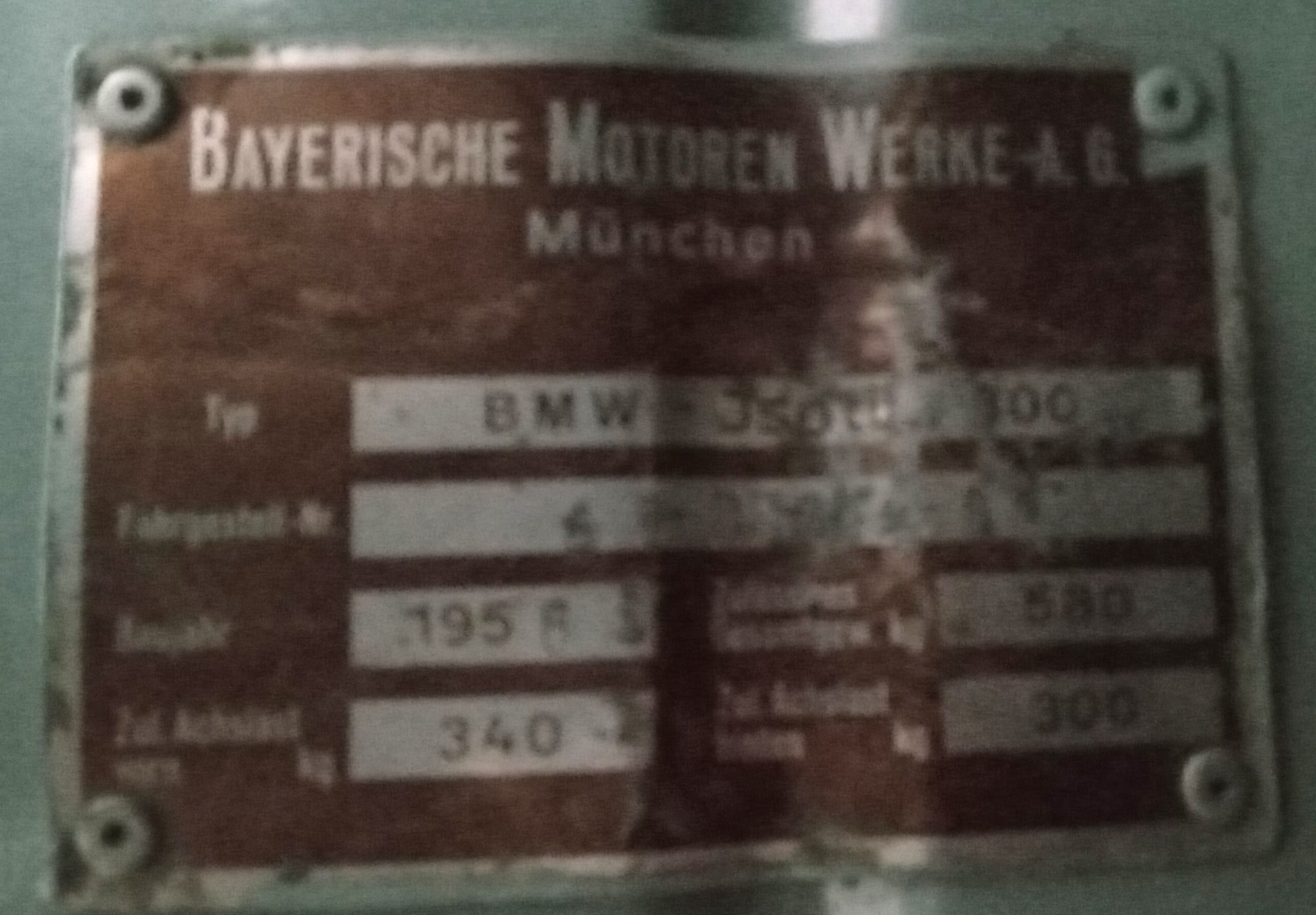
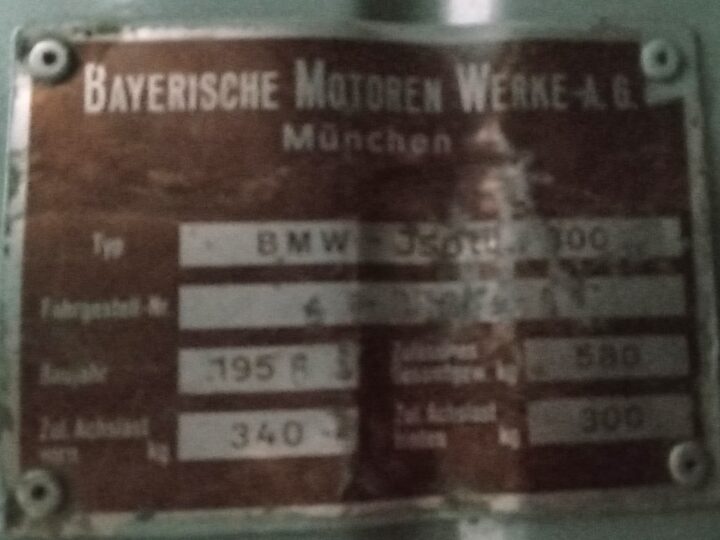
While the silhouette stayed faithful to the Iso concept, the BMW Isetta was far more than a rebadge. BMW re-engineered the car extensively, to the point that BMW Isetta Moto Coupe and Iso Isetta parts are not interchangeable. Most notably, BMW fitted its own single-cylinder, four-stroke 247 cc motorcycle-derived engine, producing 12 PS (8.8 kW).
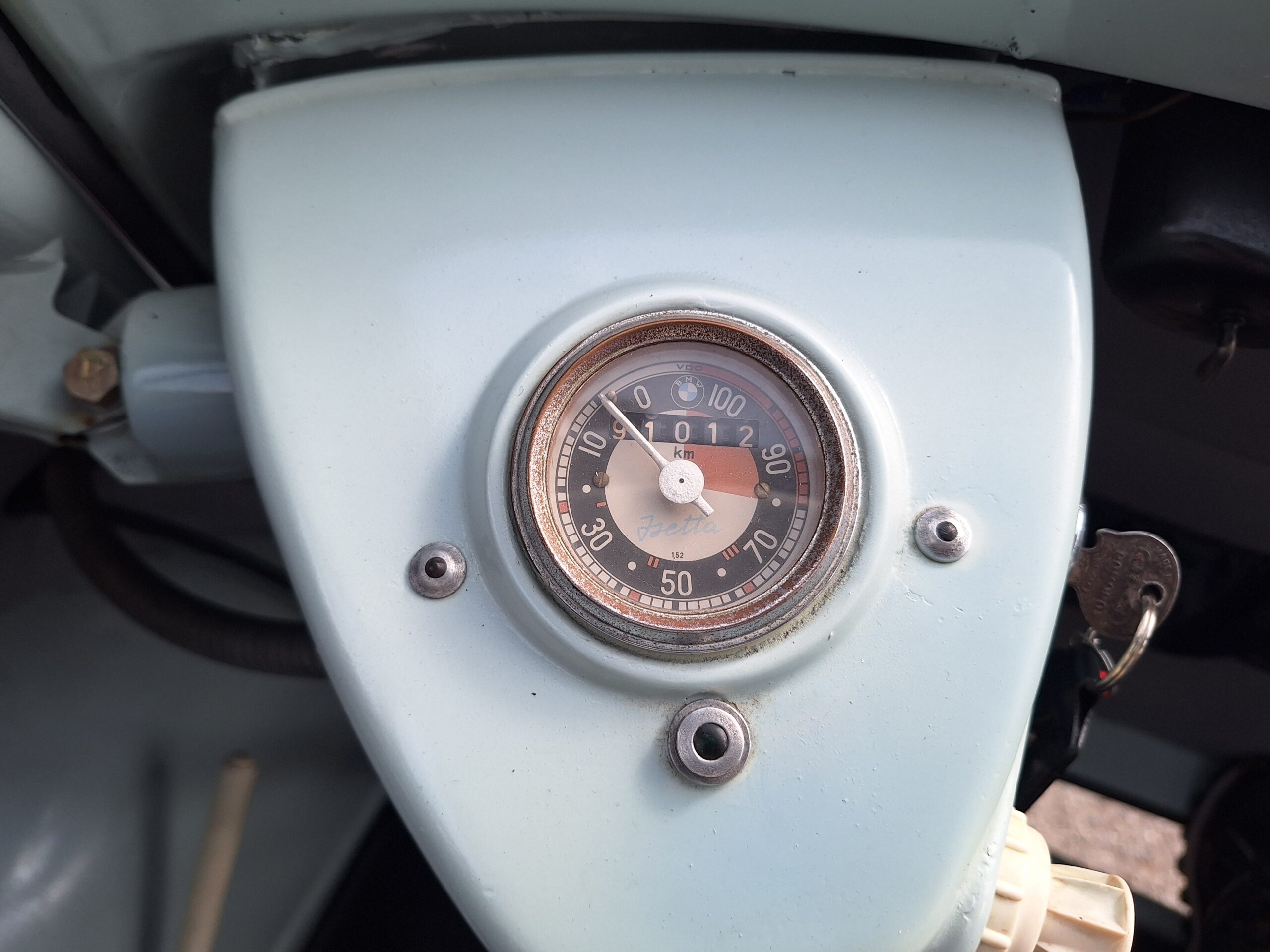
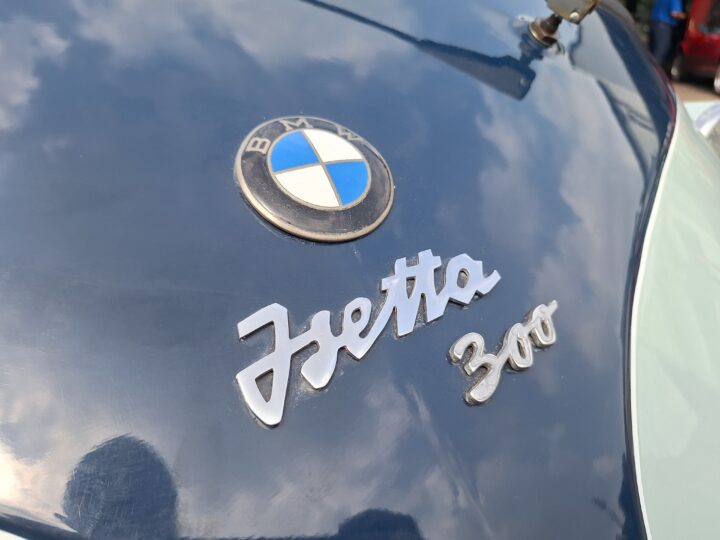
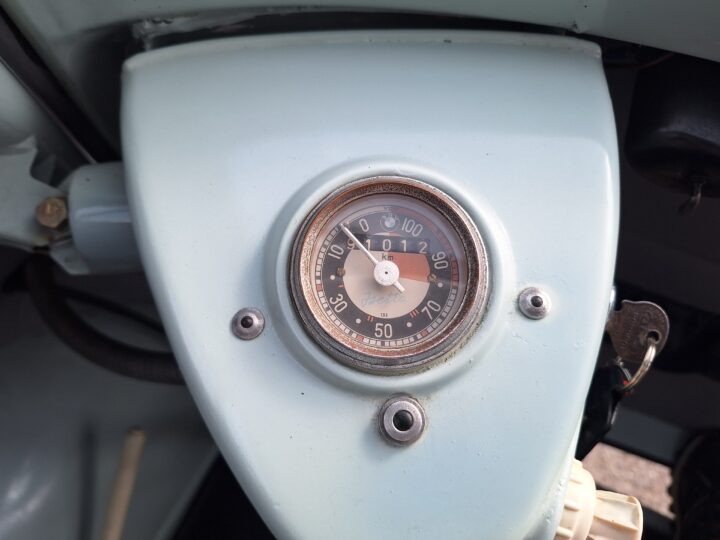
The first German-built BMW Isetta arrived in April 1955 as the 250, and by February 1956 BMW introduced the 300 cc version. With displacement increased to approximately 297 cc, compression raised, and output bumped to 13 PS (9.6 kW) at 5,200 rpm with 18.4 N·m at 4,600 rpm, performance improved while top speed remained around 85 km/h — exactly the point: light, simple, and brilliantly efficient.
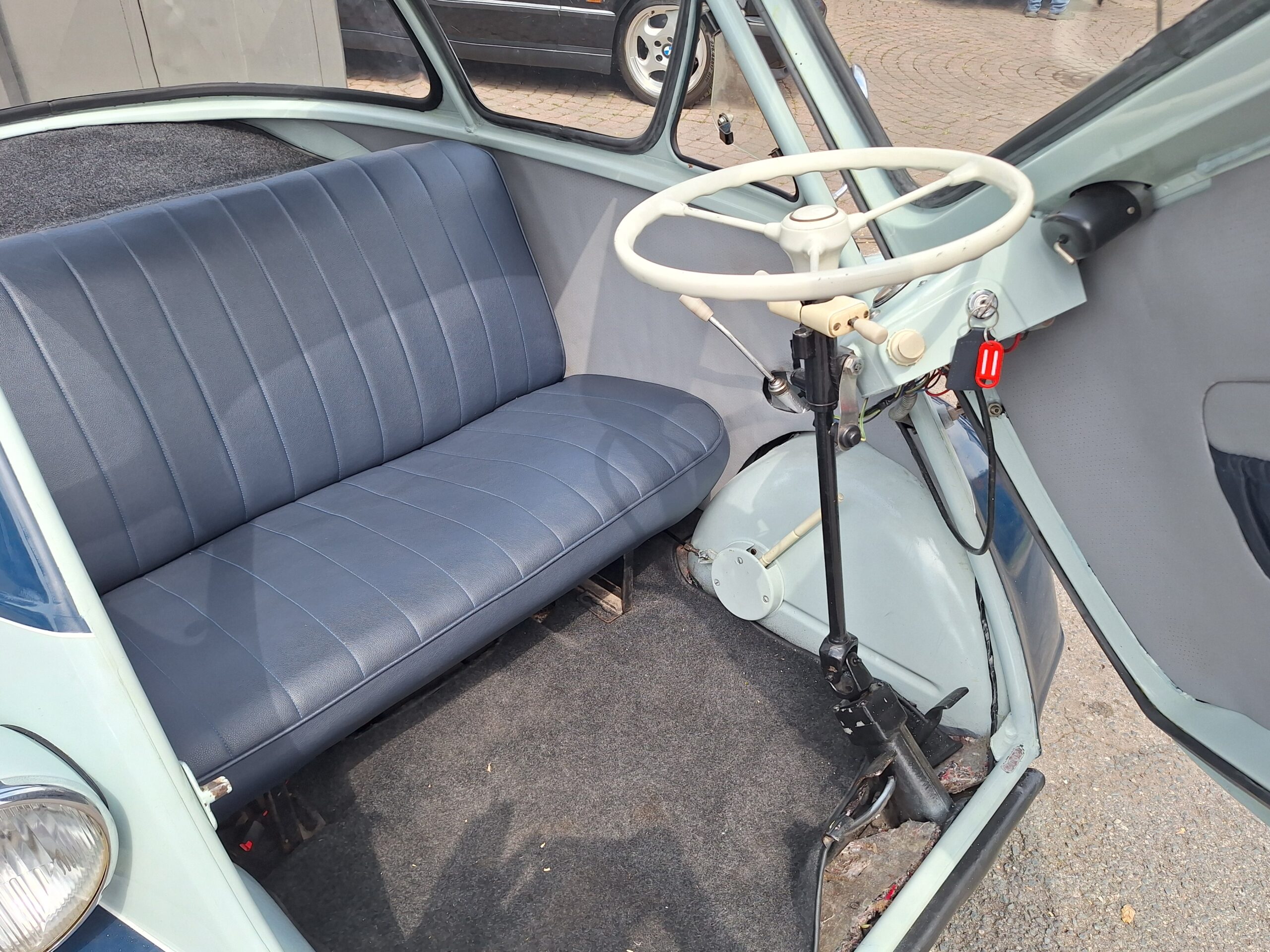
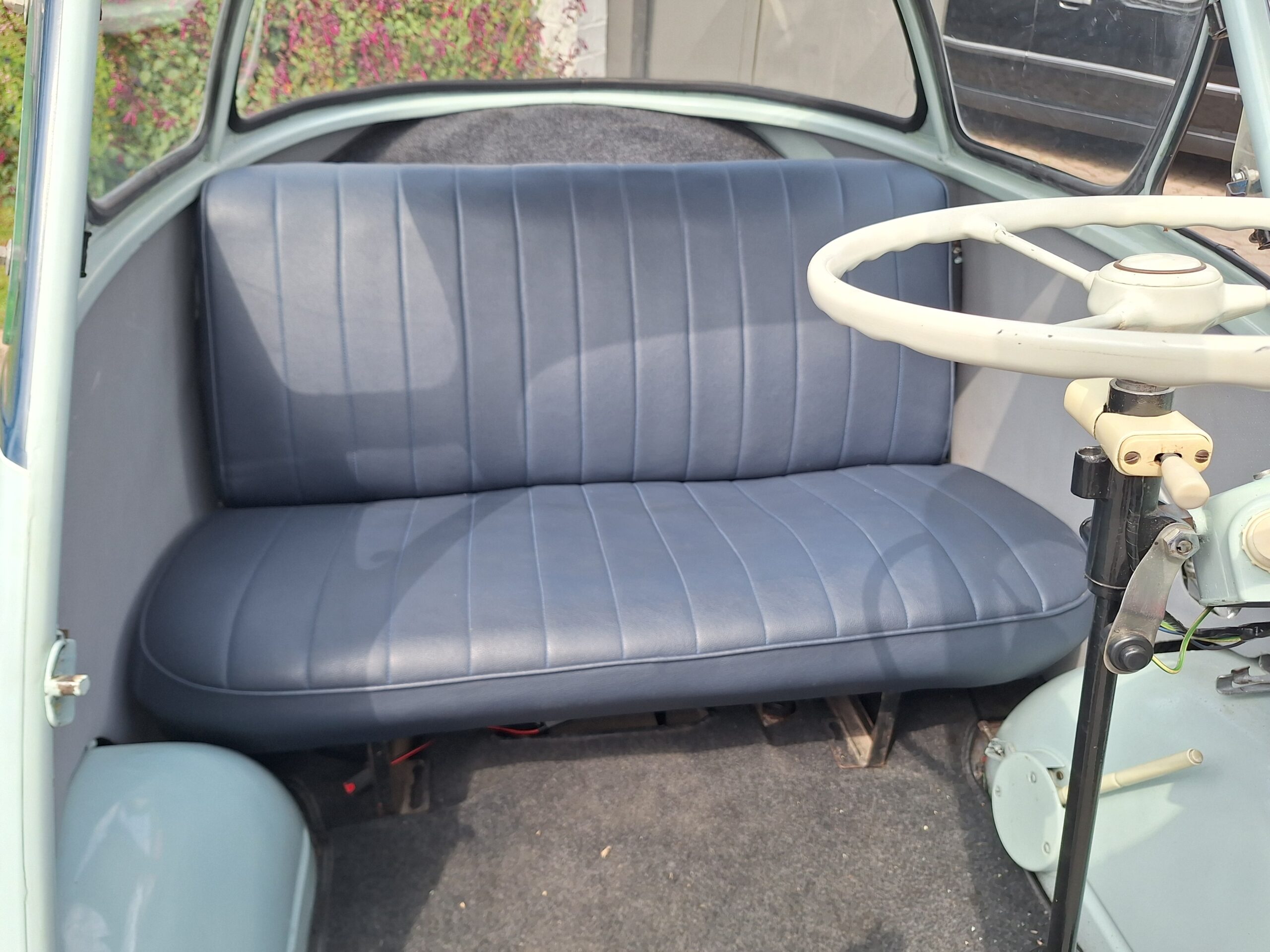
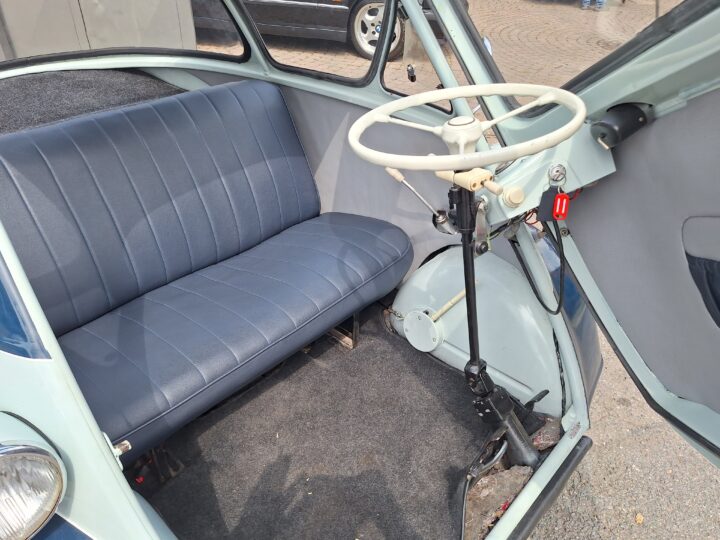
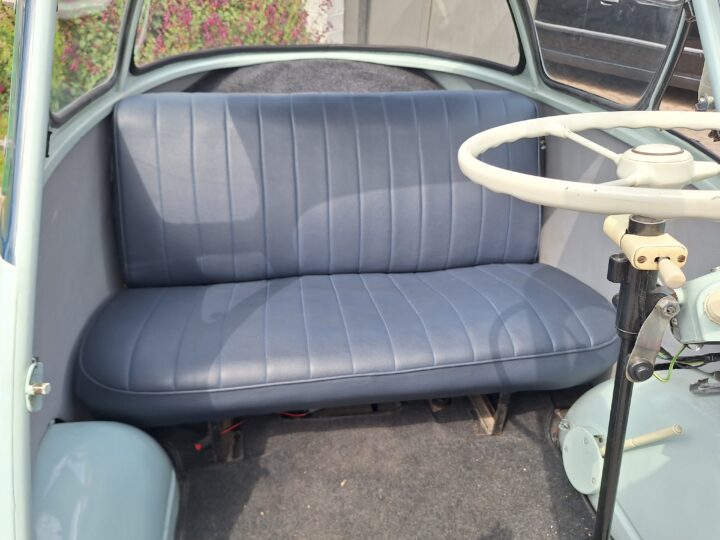
Production ran until 1962, with approximately 161,728 units built. This example has been restored, making it a standout opportunity to own one of the most recognisable and endearing microcars of all time.